


As the digital world evolves, simply having a website alone is no longer sufficient to promote a brand. Businesses need a strategic digital presence that builds trust, engages the right audience, and converts. Effective digital marketing doesn't just introduce your brand, it pulls the audience to take action.
At Blueprint360, we go beyond just designing websites or running campaigns; we follow end-to-end digital marketing strategies that align with your business goals and influence your target audience effectively.
Having clarity on the business goals and target audience is the first step in a digital marketing strategy. Digital marketing drives the business based on goals and the target audience. When you get these basics right, you can set a clear roadmap for your marketing exercise.
Your short-term and long-term goals may be defined by immediate and long-term requirements of your business. Depending on what you want to achieve, your goals could be anything from increasing visitors to boosting app downloads, or improving brand recall.
You can select your target audience for a marketing exercise by listing details such as who your products or services are aimed at and who benefits the most from them. You can also gain insights from surveys and feedback from your existing customers and potential customers. You can further conduct market research to find evidence supporting the insights you gained and identify specific needs, behaviors, and preferences of that customer group.
You can define your target audience better by building customer personas based on your findings. This will help you down the line to determine where to find them, how to reach them, what they expect in terms of design, content, and overall experience, and what message you should convey to them to maximize reach, engage with them, and convince them.
Example: For Study Smart, an EdTech brand targeting CBSE students, we focused on increasing app downloads and student engagement. We created user personas, structured the app and website UX, and optimized them with high-conversion CTAs.
Be where your audience is. Choosing the suitable platforms helps your business succeed as it reaches its intended audience and meets the goals.
B2C Brands such as health, beauty, or consumer products thrive on Instagram, Facebook, YouTube, and Pinterest, where visual storytelling and relatable content drive engagement. On the other hand, B2B businesses such as SaaS service providers or eCommerce solution firms gain more traction on LinkedIn, Email Marketing, and Blogs, where content needs to be informative and professional.
Examples:
Don’t let your site go unseen. SEO helps your website gain visibility, traffic, and conversion by optimizing every page, post, and image for the right keyword. It brings your website on top of the search listing in the search engines, making it easier for your target audience to find you. A well-executed SEO strategy not only drives traffic but also builds long-term credibility for your brand.
Example: For Dormakaba India, we executed end-to-end SEO, including content revamp, keyword strategy, and technical fixes, leading to noticeable improvements in organic traffic and search rankings.
A website is indispensable for your business. Users form their first opinion about your brand by quickly judging your website. So, strategies to align the design and content on your website to your goals and the preferences of your target audience are crucial. Structure your website effectively to support the user journey and drive conversions.
Example: For OneGlobe Systems, we handled the complete website structure, content writing, and hosting. The layout was crafted to guide visitors smoothly from awareness to enquiry, backed by strong calls-to-action.
Creating a brand isn’t just enough; the performance of the brand and its impact on your business need to be assessed and optimised. Continuous monitoring of Key Performance Indicators (KPIs) ensures long-term success. Leveraging analytics and assessing the performance of the brand is a must.
Analyse the metrics periodically and make changes to your strategy and UI/UX, or optimise them as required, based on the findings. For this purpose you can use tools like Google Analytics, Meta Ads Manager, and keyword trackers.
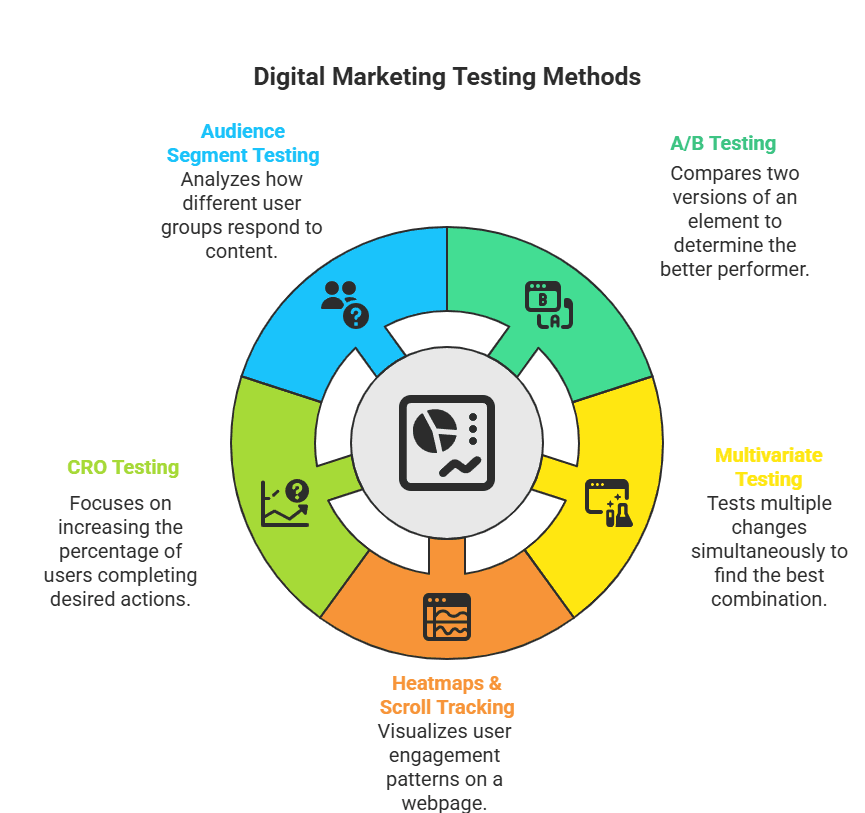
Based on your findings, you can optimize the brand performance. But you need to test and verify the impact of those changes before you deploy them. You can achieve that with various testing methods that help you evaluate the effectiveness of your strategies and campaigns. Testing empowers you to fine-tune your approach and deliver more targeted, impactful marketing efforts.
Example: For Profit.co, an OKR software brand, we focused on SEO-driven blog content and keyword optimisation to steadily grow organic traffic backed by clear analytics reporting.
Without strategic digital marketing, your brand will go invisible. Building a strong online presence is more than just having a website or posting on social media, it's about creating a well-rounded strategy that connects with the targeted audience, delivers value, and drives action.
Success doesn’t happen by chance. It’s the result of consistent effort, the right tools, and clear strategy. If you're looking to create a digital impact that actually converts, we're here to make it happen.
1. What makes a successful digital marketing strategy?
Clear goals, defined audience, right platforms, SEO, and consistent optimisation together drive engagement and conversions.
2. What is a digital marketing plan?
Digital marketing plan is a structured roadmap that outlines goals, audience, channels, content, and metrics to guide your marketing efforts.
3. How do I create a digital marketing strategy?
Set clear goals, identify your audience, choose the right platforms, optimise content with SEO, and track performance regularly.
4. Why is digital marketing important for businesses today?
It builds brand visibility, reaches the right audience, drives conversions, and provides measurable growth in a competitive online space.