

A visually stunning website might grab attention, but will it hold visitors long enough to navigate and explore? The key to it lies in understanding the psychology behind how people think, feel, and interact. Every scroll and click reflects how visitors perceive your web design.
At Blueprint360, we create designs with digital psychology. Our websites don't just look great, they perform brilliantly. From senior living homes to global cosmetics brands, we have helped businesses across industries build designs driven by psychology that keep the users hooked.
Users form an opinion about a website within 7 seconds, and colour is the first element they process. These few seconds will decide whether the users will stay or leave. Colour is a powerful psychological tool that influences perception and creates an emotional impact. Selecting the right colour palette sets the tone before starting to read.
A few examples of how colours work:
We used colour psychology for Seegreen Cosmetics, a global hair dye brand operating in the Gulf, Africa, and India. The colour palette was carefully chosen to align with the brand logo and product. We used rich, earthy tones to reflect elegance and natural beauty, which gave the website an organic feel.
Typography is a visual voice for your website. It affects how users scan, read, and feel about your website. Different font styles bring different personalities to your design.
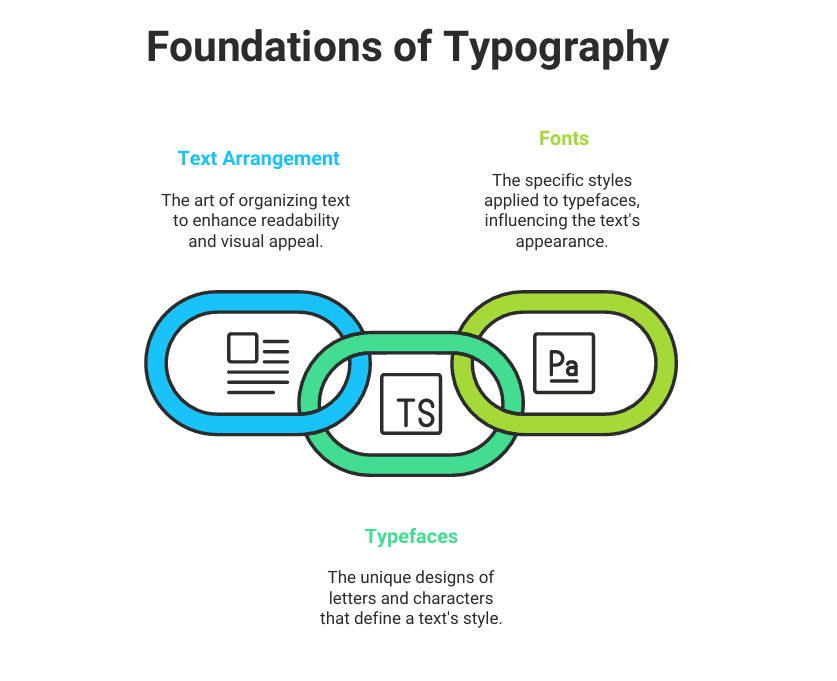
The different font choices used in typography and design:
While designing a website for arizon.digital, a modern e-commerce solutions provider, we used a clean, sans-serif font family to reflect the modern and minimal identity. We balanced font weights and sizes strategically for a smooth reading experience, ensuring the visual hierarchy and trust.
The content and elements arranged on a page with good layout and spacing are more interactive and engaging. Layout and Spacing matter because the visitors don't read every word; they scan in F-patterns and Z-patterns. The focus is mostly on heading, images, and key elements. Spacing brings visual clarity, making content more engaging. When a thoughtful layout meets good spacing, it boosts readability and user experience.
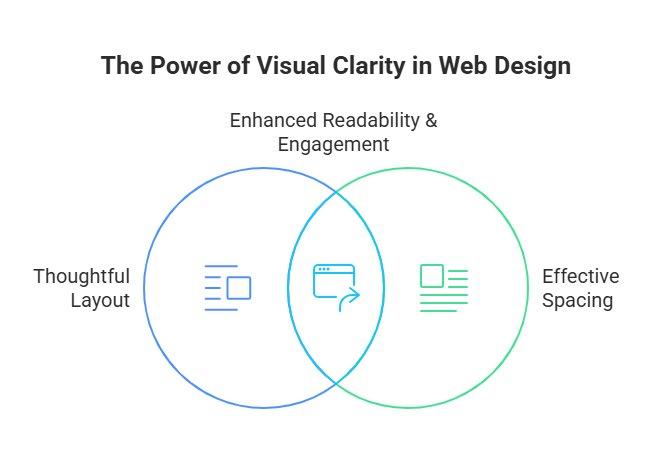
For instance, on the SIP Abacus website, we ensured a structured layout with strategic headline placement, making it interactive and goal-oriented.
Similarly, for OneGlobe Systems, we used white spaces generously, making the site polished and professional. These reduced overwhelm and helped them focus on the most important elements, resulting in more time spent on the site.
Fitts's Law explains that the bigger and closer something is, the faster it is to click. It is based on two factors: its size and distance. In web design, this means Call-to-Action (CTA) buttons. Larger buttons attract user attention and make it easier to take action.
On the SIP Abacus website, we applied Fitts's Law by placing the bold CTA buttons next to the content sections. When the users read the information, the next action is always within reach. This helped increase user interaction with registrations and bookings.
Hick's Law states that the more choices a person has, the longer it takes them to decide. When users have more choices, they sometimes become overwhelmed and abandon the decision, leaving the page without taking any action. Simplifying navigation and limiting choices helps users make confident and quick decisions.
While designing the website for Saheli, Hick's Law was applied by keeping the homepages and landing pages focused with minimal menu options and content blocks. This enhanced product clarity and encouraged action without hesitation.
Psychology plays an important role in web design. Every element in your website impacts how users think, feel, and act. Smart UI/UX strategy and psychological understanding result in intuitive and interactive websites. At Blueprint360, we bring these psychological principles to life, building websites that connect with users.
Ready to turn visitors into loyal customers? Contact Blueprint360 today to see how psychology-driven design can work for your brand.
What is the psychology of web design?
The psychology of web design is about understanding how people think, feel, and perceive the website.
How do psychological principles improve web design?
Psychological principles improve web design by making it more interactive, engaging, and user-friendly through the smart use of elements.
How does design influence user behaviour?
Design influences how users perceive, interact and respond to a website. Psychologically driven design elements will build trust and boost actions.
Why is user research important in web design psychology?
User research is important in web design psychology because it helps you understand how users think, feel, and behave.